
Key Takeaways
- Track your spending to understand where your money goes and identify realistic opportunities to cut costs.
- Create a monthly budget that covers essential expenses while treating savings as a regular category.
- Start with small, achievable savings goals and increase the amount as your financial situation improves.
- Reduce everyday costs by planning groceries, reviewing subscriptions, lowering utility waste, and managing transportation expenses.
- Use a waiting period before optional purchases to reduce impulse spending without eliminating everything you enjoy.
- Prepare for irregular annual expenses by setting aside smaller amounts throughout the year.
- Review your budget and savings progress every month and adjust your plan as your income and expenses change.
Saving money can feel difficult when most of your income already goes toward bills and everyday needs. After paying for housing, groceries, transportation, utilities, insurance, and debt, there may not seem to be much left to save.
However, building savings does not always require making large deposits. Small amounts can add up when you save consistently and make thoughtful changes to your spending. Even finding an extra $10 or $20 at a time can help you begin building a financial cushion.
The key is to understand where your money goes and focus on changes you can maintain. Cutting every enjoyable expense may work for a few weeks, but an overly strict budget can be difficult to follow long term. A better approach is to reduce unnecessary costs while protecting the expenses that matter most.
Your financial situation will be different from someone else’s, so there is no single savings plan that works for everyone. The following strategies can help you find realistic ways to save money each month, even when your budget is already tight.
1. Track Where Your Money Goes
Before trying to cut expenses, find out exactly where your money is going.
Review recent bank and credit card statements. Write down your regular bills along with everyday spending on groceries, transportation, restaurants, entertainment, subscriptions, and other purchases.
You may discover expenses you have forgotten about or small purchases that add up to a meaningful amount over a month.
Separate your spending into essential and optional categories. Essential expenses usually include housing, basic food, utilities, transportation, insurance, and minimum debt payments. Optional spending may include entertainment, restaurant meals, nonessential shopping, and certain subscriptions.
The goal is not to criticize every purchase. You simply need an accurate picture of your current habits.
Once you understand your spending, look for categories where small reductions are possible. Finding several small savings opportunities may be easier than trying to eliminate one large expense.
2. Give Every Dollar a Purpose

A budget can help you decide what your money should do before you spend it.
Start with your monthly take-home income. Subtract essential expenses, minimum debt payments, and other required bills. Then decide how to use the remaining amount.
Include savings as a budget category rather than waiting to see what remains at the end of the month. Even if you can only save a small amount, planning for it makes saving more intentional.
If your income changes from month to month, build your basic budget around a conservative income estimate. During higher-income months, you may be able to put more toward savings, debt, or upcoming expenses.
Review your budget regularly instead of expecting the first version to work perfectly. Grocery prices, utility bills, transportation costs, and other expenses can change.
A useful budget should help you make decisions, not make you feel trapped. Adjust the numbers when your actual needs change.
3. Start With a Small Savings Goal
A large savings target can feel impossible when money is tight. Start with a smaller goal that feels achievable.
You might begin by trying to save enough to cover one common unexpected expense, such as a minor vehicle repair, medical copay, or utility bill.
Once you reach that amount, set another goal.
This step-by-step approach can create a financial fresh start without requiring you to completely change your finances overnight. Progress may seem slow at first, but building the habit of saving is valuable.
Consider setting a specific monthly amount. Saving $25 each month, for example, may feel more manageable than thinking about a goal worth several thousand dollars.
If $25 is too much, start with $5 or $10. The amount can increase later when your financial situation improves.
Keeping your first goal realistic can help you stay motivated and make saving part of your normal monthly routine.
4. Automate Savings When Possible
Saving becomes easier when you do not have to make a new decision every month.
If your bank offers automatic transfers, consider scheduling a small amount to move from checking to savings after payday.
The transfer does not need to be large. A small automatic deposit can gradually build savings while reducing the temptation to spend the money elsewhere.
If your employer offers direct deposit, you may also be able to divide your paycheck between checking and savings accounts.
Choose an amount that your budget can handle. An automatic transfer that repeatedly causes your checking account to run short will not be helpful.
You can always increase the amount later.
If automatic saving does not work because your income varies, create a simple rule instead. For example, you might save a small percentage of every paycheck or transfer money whenever you receive extra income.
Consistency matters more than starting with a large amount.
5. Reduce Grocery Spending Without Skipping Good Meals
Food is necessary, but grocery spending can often be adjusted with better planning.
Before shopping, check your refrigerator, freezer, and pantry. Build meals around food you already have so items are less likely to expire or go unused.
Create a shopping list and try to follow it. Planning several meals before going to the store can reduce impulse purchases and prevent unnecessary extra trips.
Compare unit prices when choosing between package sizes. A larger package is not automatically a better deal, especially if part of the food will go to waste.
Store brands may also cost less than name-brand products while serving the same purpose.
Consider using leftovers for lunches or another dinner instead of letting them sit unused.
You do not need to choose the cheapest food in every category. Focus on reducing waste and buying foods your household will actually eat.
Even a modest reduction in weekly grocery spending can create extra room in a tight monthly budget.
6. Review Subscriptions and Recurring Charges
Recurring charges are easy to overlook because they are automatically deducted from your account.
Review subscriptions for streaming services, apps, software, memberships, cloud storage, and other recurring expenses.
Ask whether you still use each service often enough to justify the cost. Canceling even one or two unused subscriptions can create savings every month.
Look for overlapping services as well. You may be paying for several entertainment platforms when you regularly use only one.
You can also rotate subscriptions instead of maintaining all of them at once. Use one service for a few months, cancel it, and switch to another when there is something specific you want to watch.
Check annual subscriptions too. A charge that appears only once a year may be easy to forget when creating a monthly budget.
Set reminders before renewal dates if you want time to decide whether a service is still worth paying for.
7. Lower Utility Costs With Everyday Habits
Utility bills can take up a significant part of a household budget, but small changes may reduce unnecessary use.
Turn off lights when rooms are empty and use energy-efficient bulbs where appropriate. Avoid leaving electronics running when they are not needed.
Heating and cooling often account for a large share of household energy use. Use thermostat settings that balance comfort with reasonable energy use, and maintain heating and cooling equipment according to manufacturer recommendations.
Wash full loads of laundry when practical and use appropriate water temperatures. Run dishwashers with full loads instead of washing only a few items at a time.
Check for dripping faucets and other water leaks that can waste water.
You do not need to make your home uncomfortable to save money. Focus first on waste, such as heating an empty room unnecessarily or leaving lights on all day.
Review utility bills over time to see whether changes are actually reducing your costs.
8. Plan Ahead for Transportation Costs
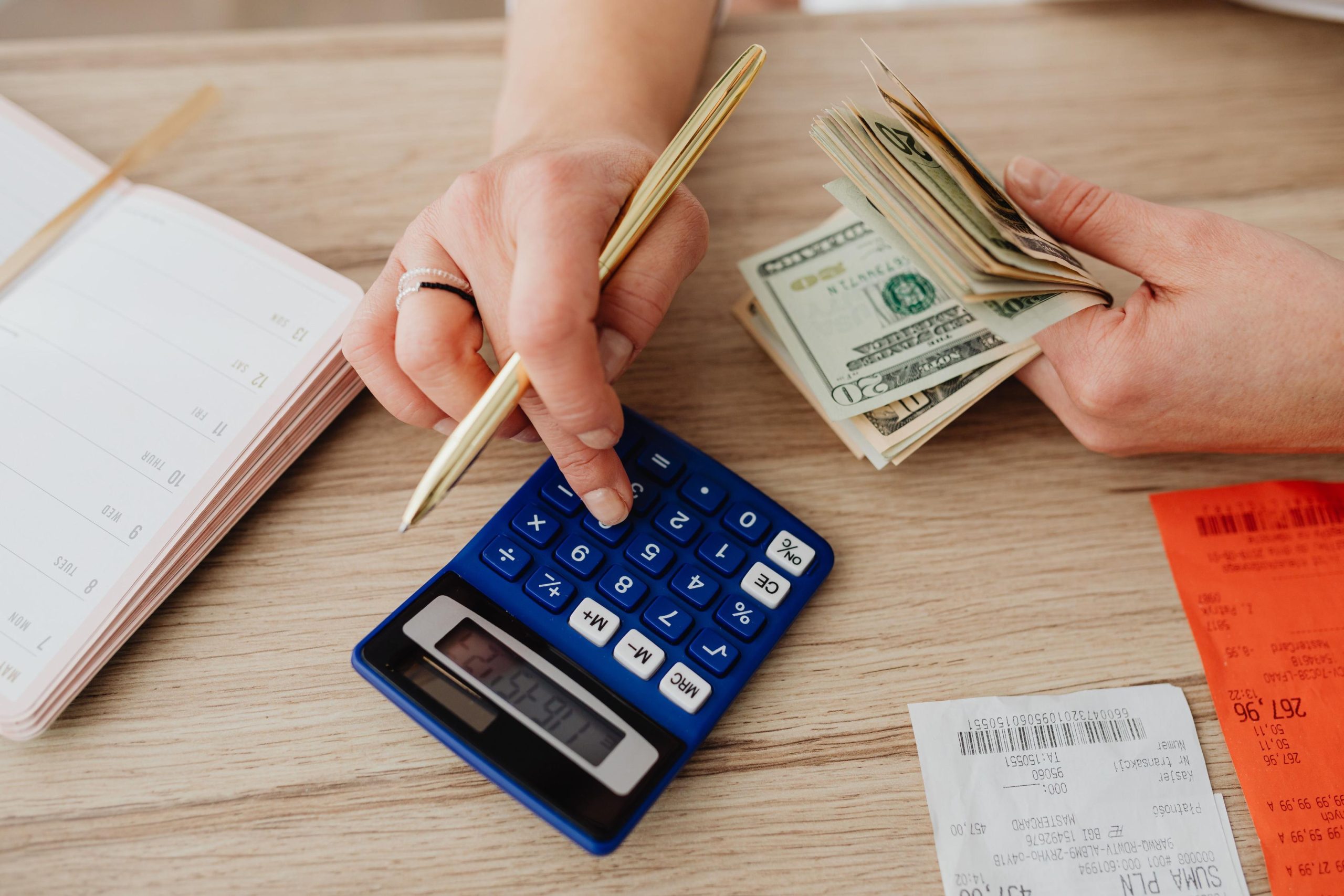
Transportation can be expensive even when you already own your vehicle.
Fuel, insurance, registration, maintenance, parking, and repairs should all be considered when creating a monthly budget.
Set aside a small amount each month for car upkeep expenses rather than waiting until a repair is needed. Regular maintenance may also help you identify certain problems before they become more serious and expensive.
Combine errands when practical to reduce unnecessary driving. Carpooling, public transportation, biking, or walking may also lower transportation costs when these options are safe and available.
Review auto insurance periodically and compare coverage and prices. Make sure you understand deductibles and coverage before changing policies simply to reduce the premium.
Avoid delaying necessary maintenance just to save money in the current month. Skipping important service can sometimes lead to larger costs later.
Planning for transportation as an ongoing expense can make vehicle costs easier to manage.
9. Use a Waiting Period Before Optional Purchases
Impulse purchases can quickly consume money that could have gone toward savings.
Before buying something you do not need immediately, create a waiting period. For smaller purchases, you might wait 24 or 48 hours. For more expensive items, wait several days or longer.
During that time, ask whether you still want the item and whether it fits your budget.
Remove saved payment information from shopping websites if easy checkout encourages unnecessary spending. Unsubscribe from promotional emails or notifications that regularly tempt you to shop.
You can also keep a wish list rather than buying items immediately. Review the list later and remove things you no longer want.
A waiting period does not mean you can never buy something enjoyable. It simply creates space between wanting an item and spending money on it.
Many purchases feel less necessary after the initial excitement passes.
10. Find Lower-Cost Ways to Have Fun
Saving money does not mean eliminating entertainment.
Look for activities that provide enjoyment without creating a large monthly expense. Libraries may offer books, movies, digital resources, classes, or community programs. Local parks and community events can provide other low-cost options.
Instead of meeting friends at an expensive restaurant, consider hosting a simple meal at home or meeting for coffee.
Create a specific entertainment amount in your budget. This gives you permission to spend within a limit rather than trying to avoid all fun and eventually becoming frustrated with the budget.
Look at how much enjoyment you actually receive from an activity compared with its cost.
You may find that some inexpensive activities are just as enjoyable as more expensive alternatives.
A sustainable savings plan should leave some room for the things you value.
11. Prepare for Irregular Expenses
Many tight budgets are disrupted by expenses that are predictable but do not happen every month.
Examples include vehicle registration, annual insurance premiums, holiday gifts, school expenses, property taxes, home maintenance, and seasonal costs.
Instead of treating these bills as surprises, estimate how much you expect to spend each year and divide the total into monthly amounts.
For example, if you expect an annual expense of $600, setting aside $50 each month can make the bill easier to handle when it arrives.
These small savings categories are sometimes called sinking funds. You can keep track of them separately even if the money remains in one savings account.
Review upcoming expenses at the beginning of each month. Looking several weeks ahead can help you avoid spending money that will soon be needed elsewhere.
Planning for irregular costs can reduce the need to rely on credit cards when predictable bills arrive.
12. Put Extra Money Toward Your Priorities
Occasionally, you may receive money that is not part of your regular monthly income.
This could include a tax refund, work bonus, cash gift, rebate, overtime pay, or money from selling items you no longer use.
Before spending the entire amount, decide how it could support your financial priorities.
You might put part of it into emergency savings, use some to reduce high-interest debt, and keep a smaller amount for something enjoyable.
There is no rule that every extra dollar must be saved. However, unexpected income can provide an opportunity to make progress without reducing your normal monthly spending.
Decide what you will do with extra money before it arrives whenever possible. Having a plan can reduce the chance of spending it impulsively.
Even occasional deposits can make a noticeable difference when regular monthly savings are small.
13. Review Your Progress Every Month
Your budget should change as your life changes.
At the end of each month, compare what you planned to spend with what actually happened. Look at which categories went over budget and which came in lower than expected.
Do not give up because one month did not go according to plan. Unexpected expenses happen, and estimates are not always accurate.
Instead, use the information to improve next month’s budget.
Track your savings balance as well. Seeing even small progress can make it easier to stay motivated.
If you consistently struggle to save, look again at your largest expenses. Housing, transportation, insurance, debt payments, and food usually have a greater effect on the budget than occasional small purchases.
Some large expenses may be difficult to change quickly, but understanding them can help you make better long-term decisions.
Saving on a tight budget is usually a gradual process. Regular reviews can help you continue moving in the right direction.
Conclusion
Saving money each month can be challenging when your income is already committed to essential expenses. However, you do not need to save hundreds of dollars immediately for your efforts to matter.
Start by understanding where your money goes and creating a realistic budget. Look for small opportunities to reduce grocery costs, subscriptions, utilities, transportation spending, and impulse purchases without cutting everything you enjoy.
Build savings gradually and plan ahead for irregular expenses. Automating a small transfer can make saving more consistent, while setting aside money for predictable bills can reduce financial stress when those costs arrive.
Use extra income carefully when you receive it, and review your budget every month. Some months will be easier than others, and your savings amount may change over time.
The most useful savings plan is one you can continue. By making small, practical changes and giving your money clear priorities, you can gradually build a stronger financial cushion even when there is not much room in your budget.